Read Textiles Through Their Structure
Follow the production path from fiber preparation and spinning to weaving, knitting, and finishing. Compare yarn and fabric samples, trace visible construction, and use practical textile terms to describe what changes at each stage.
See How Textile Practice Is Organized
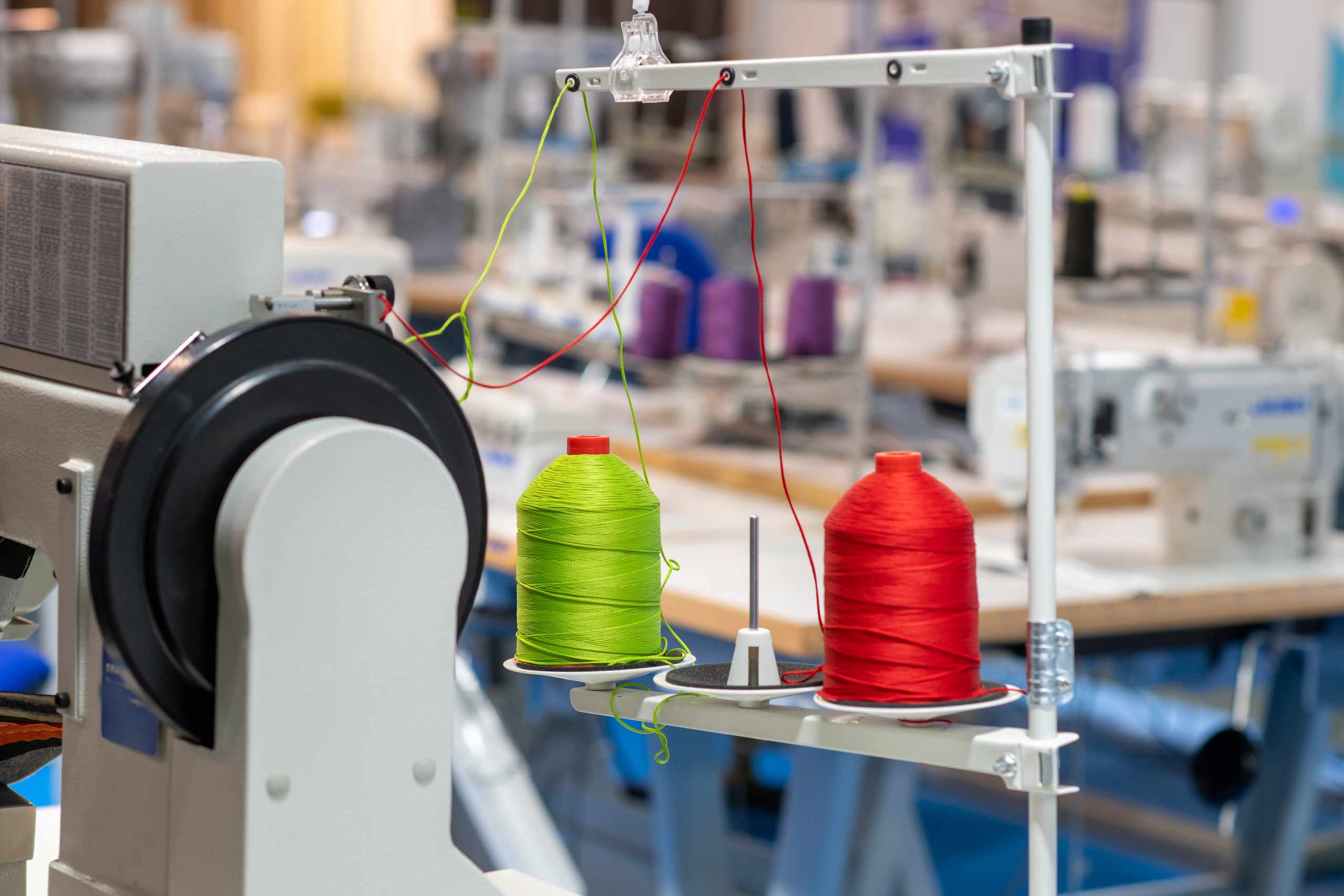
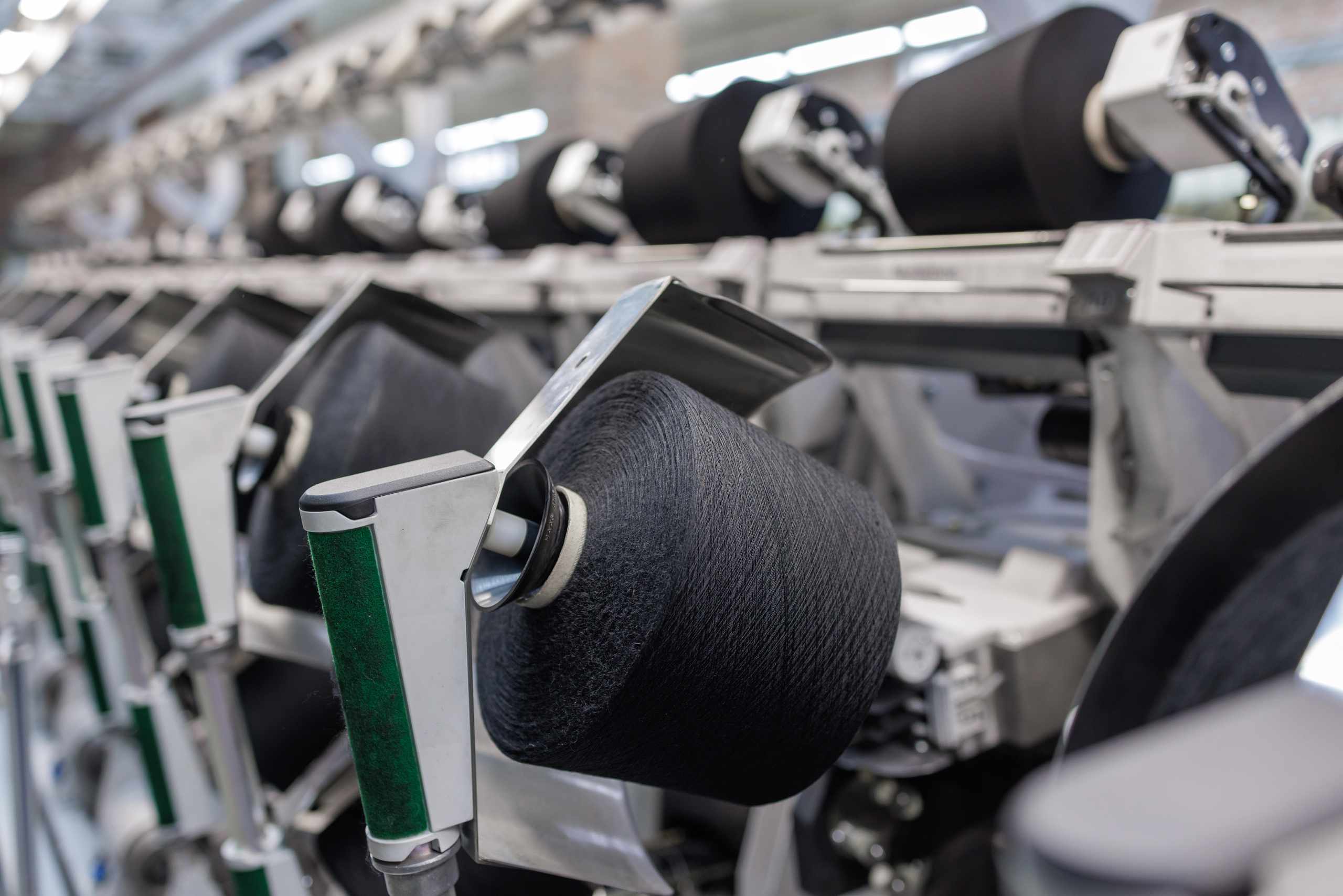
The course connects textile terminology with visible material features. By examining fiber, yarn, woven swatches, and knitted samples, you can understand how twist, construction, density, and finishing contribute to the behavior of a finished textile.
Not Sure Where to Begin?
Ask about suitable fabric swatches, simple inspection tools, or the best starting point for understanding yarn, warp, weft, and fabric construction. A few well-chosen samples are enough for useful first observations.

Learner observations
What Changed During Textile Practice
I used to look at fabric mainly by color and softness. Comparing woven samples under a magnifier helped me actually see warp, weft, density, and the small differences between constructions.

Kensaku Kanazawa
The fiber-to-yarn-to-fabric sequence made the production process easier to follow. I can now separate spinning, fabric formation, and finishing instead of treating them as one vague manufacturing step.

Hana Kido
Looking closely at yarn twist and knitted loops gave me a much better way to describe samples. My notes are more specific now, especially when comparing stretch, texture, and surface consistency.