Textile Production Through Material Observation
Connect Fiber to Fabric
Examine Structure Closely
Describe What You Observe
How the Learning Approach Works
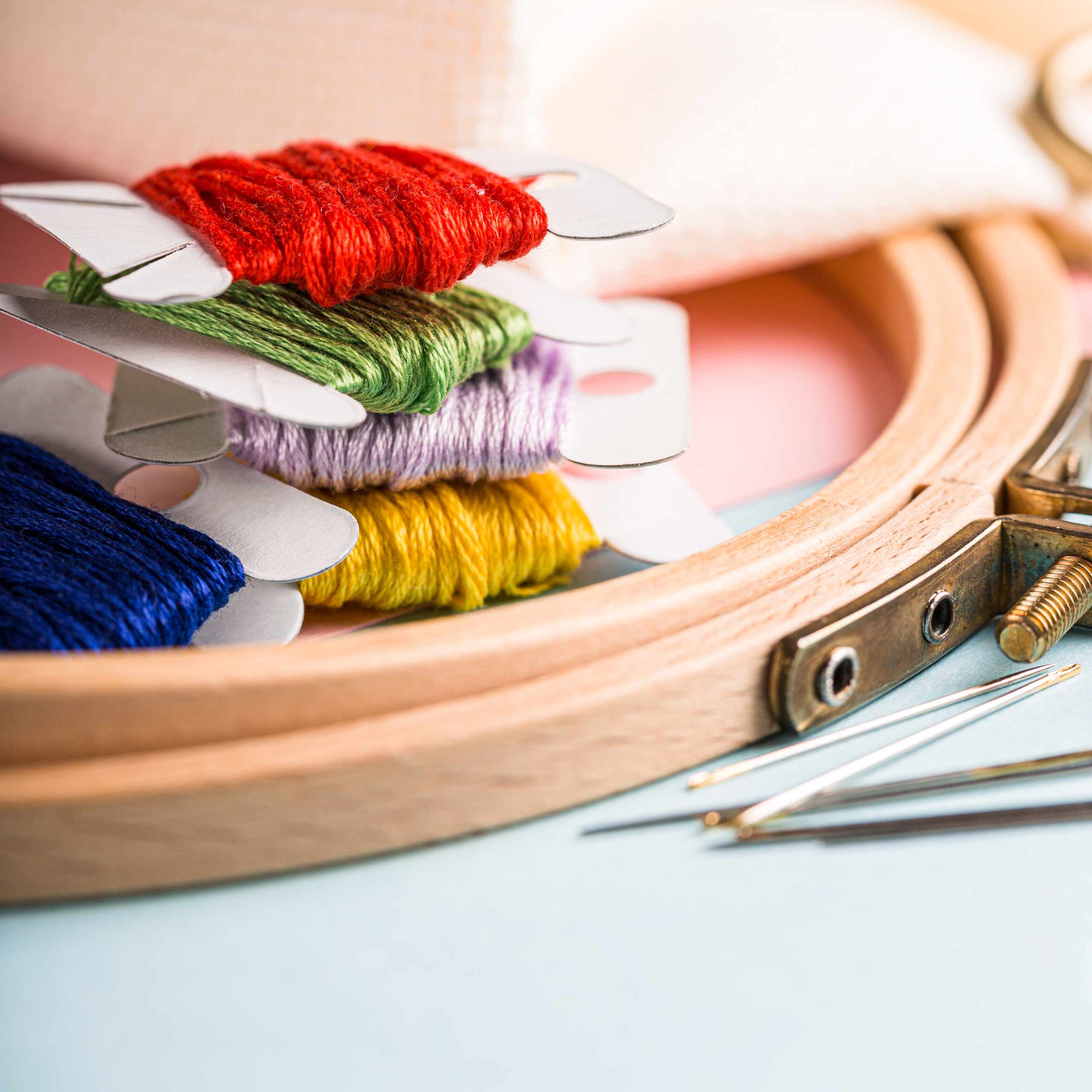
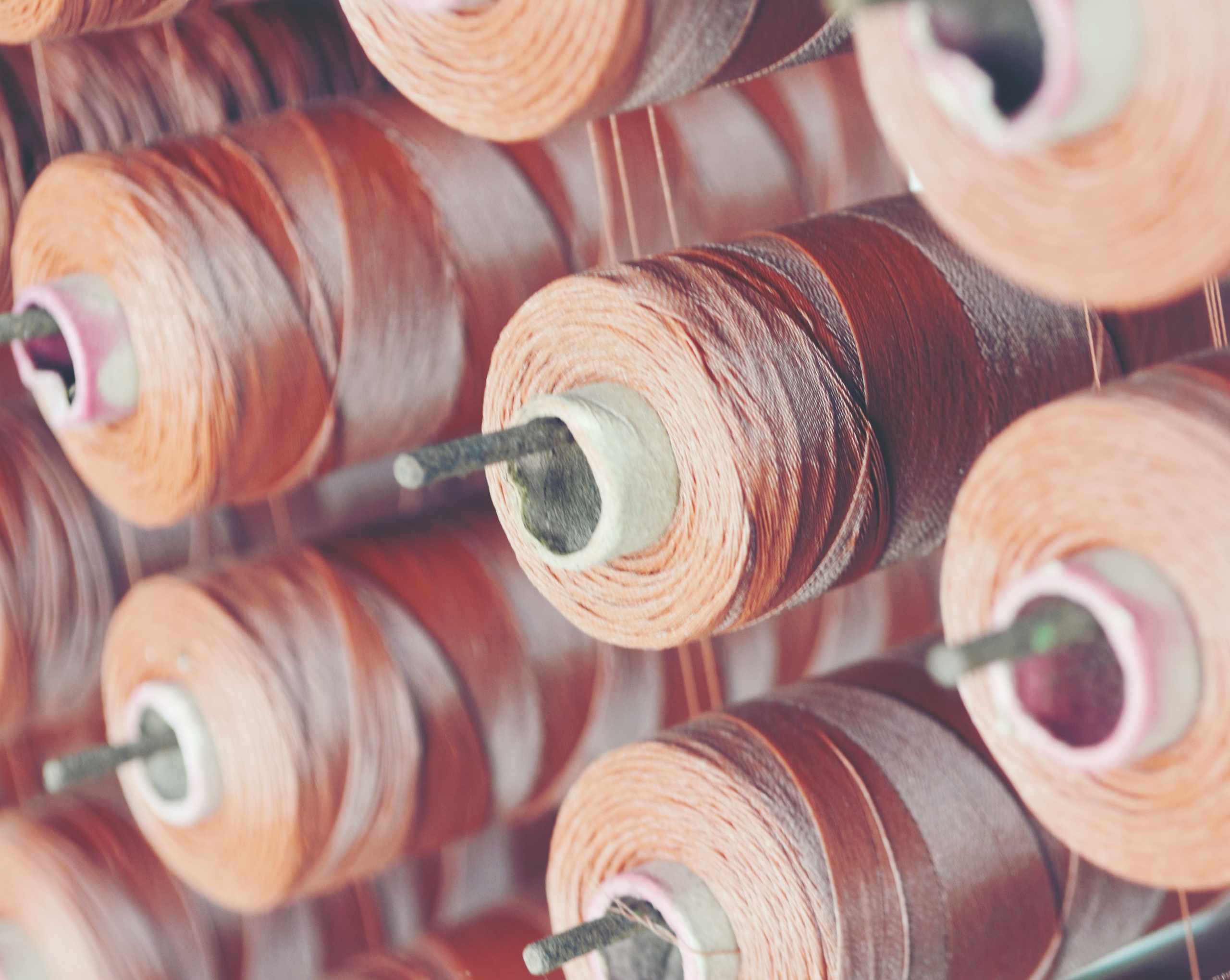
Textile production becomes easier to understand when each term is connected to something visible. The course uses fibers, yarns, woven structures, knitted loops, and finished surfaces to explain how separate production stages relate to one another.
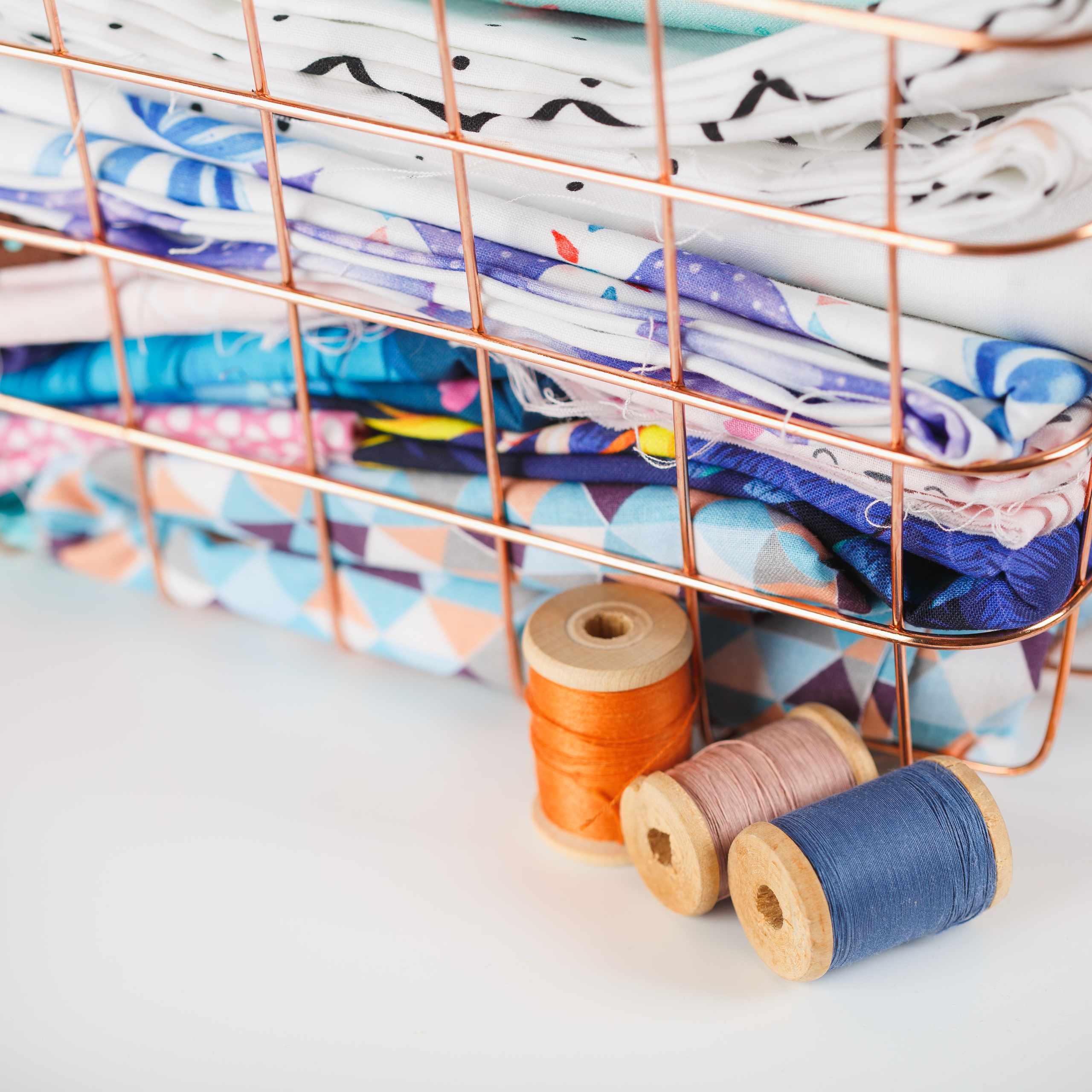
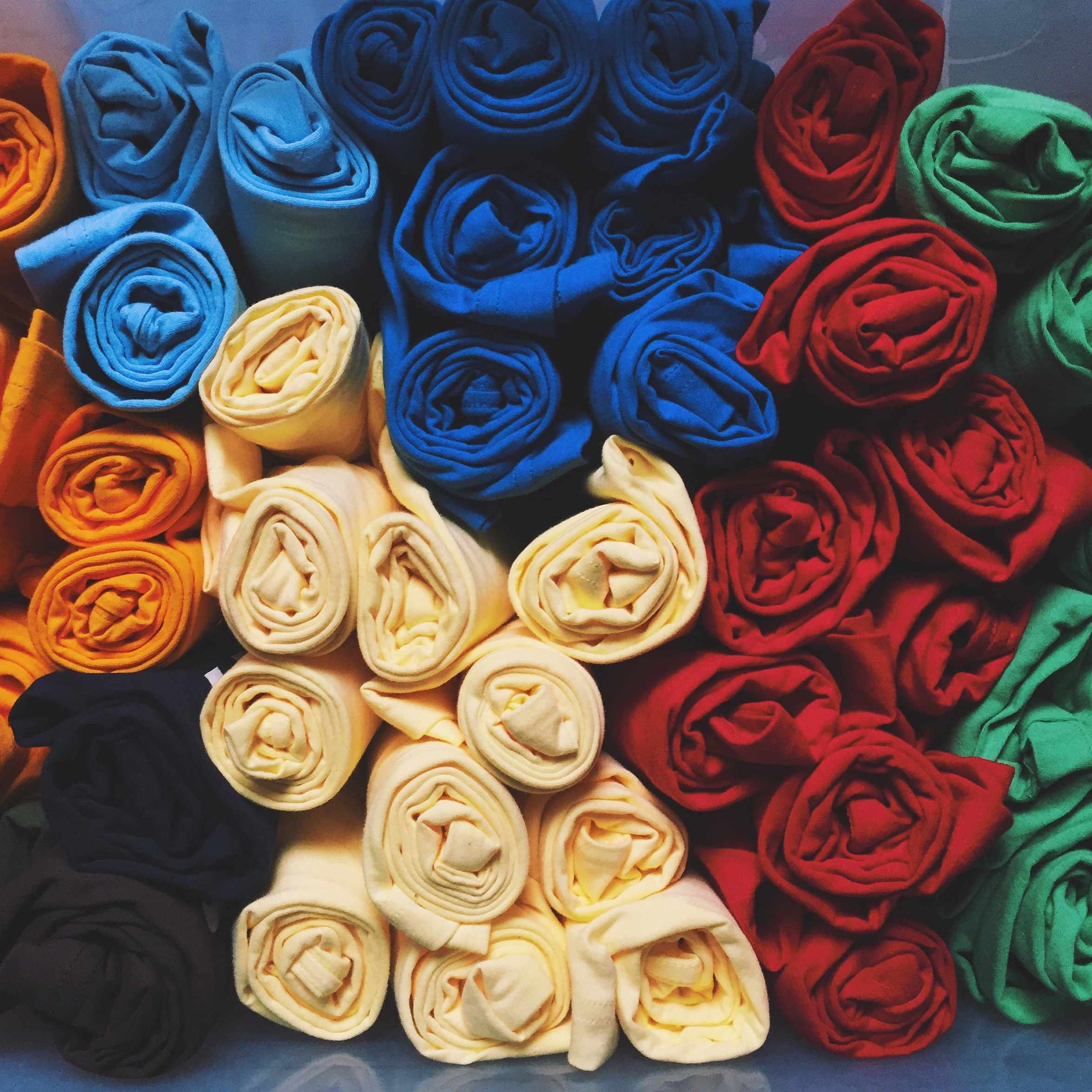
Comparing swatches helps reveal differences in yarn thickness, twist, fabric density, stretch, drape, and surface texture. Instead of judging a textile only by appearance or softness, you practice describing several observable properties.
Woven samples can be inspected for warp and weft intersections, while knitted samples are followed through their loop structure. A magnifier and careful observation make these construction differences easier to recognize.
Progress means noticing more specific material features and describing them accurately. You may become better at separating fiber, yarn, and fabric stages, recognizing construction directions, and spotting obvious irregularities during basic inspection.
Build Understanding One Sample at a Time
Choose a Practical Starting Point
Questions about fabric swatches, simple inspection tools, course pace, or the fiber-to-fabric sequence can be clarified before you begin.
Continue With Textile Examples
Use practical articles to examine yarn twist, warp and weft, fabric density, finishing, defects, and other production details more closely.
Textile Topics for Further Practice
Explore practical notes on fibers, yarn structure, weaving, knitting, finishing, and basic fabric inspection.
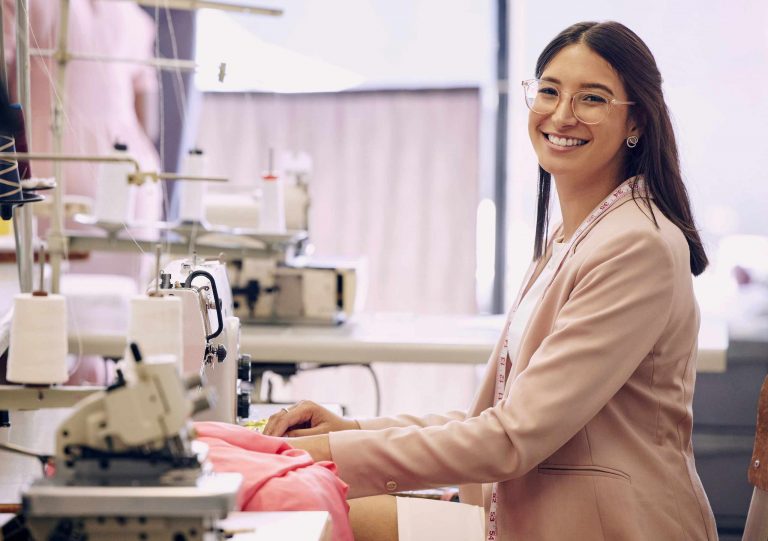
How to understand twist by comparing yarns visually in a simple way
The thickness of two yarns can be very similar, but they can still be different because of twist. Twist refers to the spiral configuration that contributes to the cohesion of the spun yarn. In particular, beginners may pay attention to…
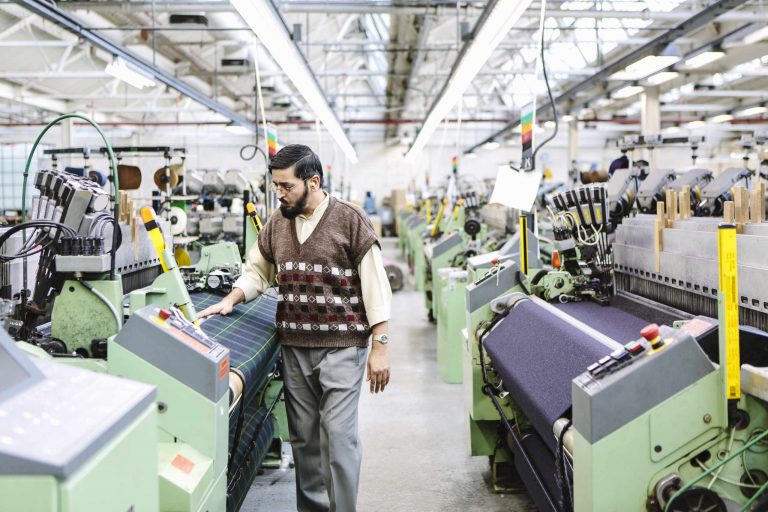
How to Find Warp and Weft in a Woven Fabric Sample
After you learn how to distinguish between warp and weft, woven fabric is much easier to analyze. Both of these are necessary to create a woven fabric, but I always get confused the first time I look at a swatch.…